Drilling Rubber Cleanly Requires a Different Approach From Drilling Metal
Rubber behaves nothing like metal. Rubber stretches, grabs the drill, deflects away from cutting pressure, and can smear or melt if the tool rubs instead of shearing. For manufacturers drilling rubber gaskets, seals, bands, extrusions, appliance components, vehicle window seals, or industrial door seals, the goal is simple: clean, round, repeatable holes at production speed.
Air Turbine Tools® helps solve this problem with governed, 25,000 to 90,000 RPM Air Turbine Motors and Spindles® that hold RPM in the cut. By keeping the drill at a constant cutting speed, these motors help shear rubber cleanly, reduce heat related defects & fuzzy breakout, eliminate oil contamination all while cutting cycle time on high-volume rubber drilling lines by 6-10x.
Why Rubber Is Difficult to Drill
Rubber is flexible, elastic, and heat-sensitive. Instead of forming chips like aluminum, steel, or rigid plastic, rubber tends to move with the tool. That movement creates several machining issues:
►
Drill wandering because the material deflects before the cutting edge engages.
►
Smeared or melted hole edges caused by friction and heat.
►
Fuzzy breakout on the exit side of the hole.
►
Inconsistent hole diameter when the rubber stretches during drilling.
►
Tearing around the hole, which can become a starting point for seal failure.
►
Longer cycle times if parts must cool after extrusion before they can be drilled cleanly.
These problems are especially visible in production rubber machining, where small defects multiply across thousands or millions of parts. A hole that is only slightly torn or out of round can affect how a gasket seals, how a band flexes, or how a window or door seal wears over time.
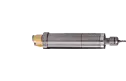
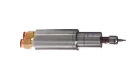
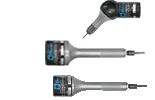
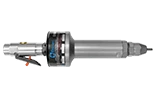
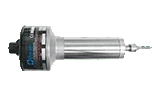
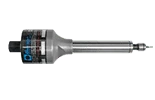
Drilling Rubber Parts by Air Turbine Motors® 50,000 RPM 202HD
The Machinist’s Key Challenge: Shear the Rubber Before It Grabs the Drill
Clean rubber drilling depends on keeping the cutting edge moving fast enough to shear the material before it stretches, grabs, or rubs. Traditional electric spindles can slow down as soon as the drill meets resistance, especially in small-diameter holes or continuous production. When RPM drops, friction rises. That is when rubber starts to smear, melt, tear, or produce ragged breakout.
Patented Air Turbine Motor® and Spindles® take a different approach. Their governor technology maintains high cutting speed under load, so the drill does not bog down during plunge or exit. The result is a cooler, more stable cutting process and a cleaner hole.
How Air Turbine Motors® and Spindles® Improve Rubber Drilling
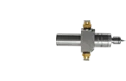
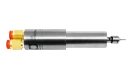
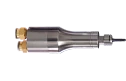
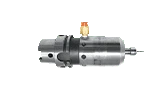
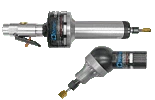
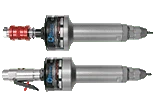
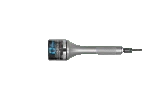
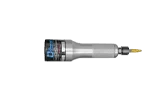
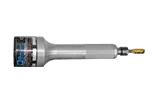
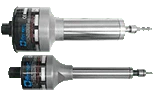
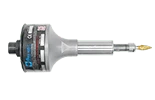
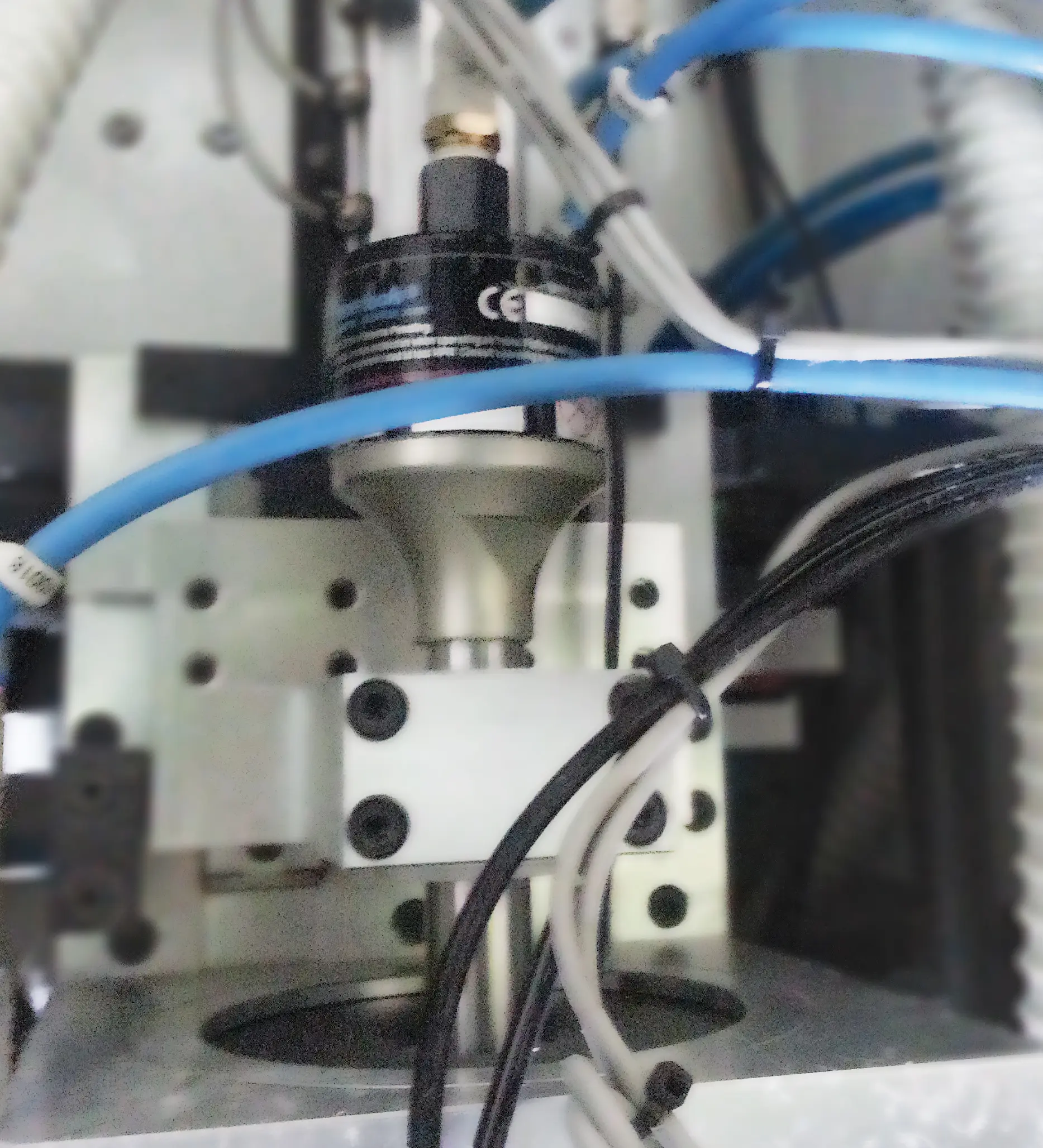
Air Turbine Tools® patented technology is well suited for drilling rubber because it combines governed high RPM, low heat, low vibration, and no maintenance or lubrication needed. Models such as the Air Turbine Motor ® 202HD are designed to hold high speeds in the cut, helping the drill cut cleanly rather than rub.
►
Constant high RPM supports cleaner shearing of rubber.
►
Low vibration helps maintain hole location and diameter.
►
Cooler cutting reduces smearing, melting, and heat-related distortion.
►
Efficient chip and debris clearing helps prevent rubbing at the hole wall.
►
Pneumatic operation reduces problems associated with overloaded or overheated electric spindles in continuous-duty production.
In a large rubber drilling program, one customer adopted tens of thousands of Air Turbine Motors® across its production lines. That scale shows how important this application can be, and why a small improvement in cycle time, hole quality, and uptime can create a strong return on investment.
Production Application: Cooper Standard Automated Gang Drilling
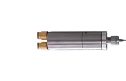
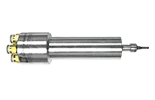
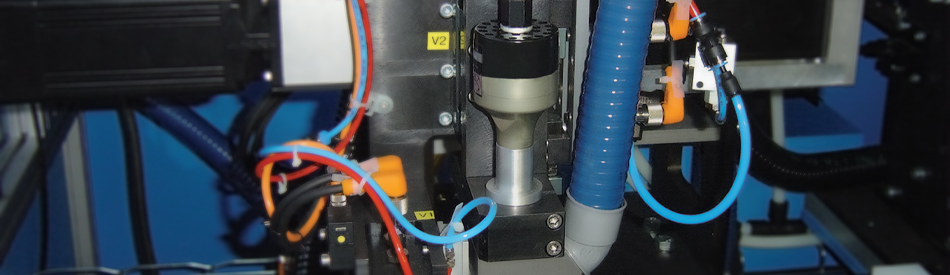
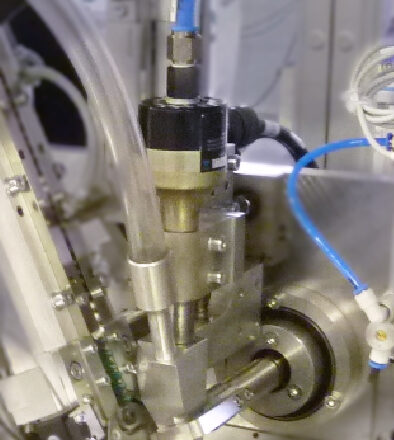
Cooper Standard uses Air Turbine Motors® in an automated gang-drilling setup for rubber seal profiles. Multiple motors are mounted side by side so several holes can be drilled in one cycle. The drilling head advances into the rubber profile, retracts after the holes are completed, and the material then indexes forward for the next drilling sequence.
In this application, Cooper Standard used the 0.4 HP, governed 50,000 RPM 202HD Air Turbine Motor®, which maintains constant high speed during the plunge. This is important because high speed cuts the rubber cleanly, producing a fine edge surface with no fiber breakout.
Air Turbine Motors® increase airflow to match the cutting load, helping the drill continue cutting cleanly instead of slowing, rubbing, or pulling through the rubber. The 202HD motor range is designed to operate 24/7 at high speed while generating no heat, making it well suited to automated rubber drilling lines. Because these motors do not require lubrication, there is also no lubricant to contaminate the rubber material.
Developed with automation integrators, this process supports high production speed while maintaining clean, consistent holes and reducing melting, tearing, hole variation, scrap, and rework.
| Application Snapshot | |
|---|---|
| Customer | Cooper Standard |
| Application | Automated rubber seal profile drilling |
| Motor Used | 0.4 HP governed 50,000 RPM 202HD Air Turbine Motor |
| Process | High-speed plunge drilling |
| Material | Rubber seal profiles |
| Main Challenge | Melting, tearing, fiber breakout, hole variation, scrap, and rework |
| Technical Advantage | Maintains constant high speed in the plunge by increasing airflow to match cutting load |
| Production Benefit | High-RPM Air Turbine Motors® achieve 6–10× cycle-time reduction |
| Operating Advantage | 24/7 high-speed operation with no heat generation |
| Cleanliness Benefit | No lubrication required, reducing risk of rubber contamination |
| Application Snapshot |
| Customer |
| Application |
| Motor Used |
| Process |
| Material |
| Main Challenge |
| Technical Advantage |
| Production Benefit |
| Operating Advantage |
| Cleanliness Benefit |
| Cooper Standard |
| Automated rubber seal profile drilling |
| 0.4 HP governed 50,000 RPM 202HD Air Turbine Motor |
| High-speed plunge drilling |
| Rubber seal profiles |
| Melting, tearing, fiber breakout, hole variation, scrap, and rework |
| Maintains constant high speed in the plunge by increasing airflow to match cutting load |
| High-RPM Air Turbine Motors® achieve 6–10× cycle-time reduction |
| 24/7 high-speed operation with no heat generation |
| No lubrication required, reducing risk of rubber contamination |
Applications: Rubber Bands, Gaskets, Seals, and Extrusions
Increase Your Revenue With an Air Powered Motor
Major applications are drilling continuous rubber bands that are later used as seals around washer and dryer doors, automotive windows, industrial doors, and other products that must flex and seal reliably. In these applications, every hole matters.
►
Washer and dryer door seals
►
Automotive window and door seals
►
Industrial door seals
►
Rubber gaskets and sealing strips
►
Extruded rubber profiles
►
Flexible rubber bands used in appliance, automotive, and industrial assemblies
Machinists and production engineers need repeatable hole location, consistent hole diameter, smooth entry and exit edges, and enough throughput to keep up with extrusion, trimming, or assembly operations. Air Turbine Motors® helps turn rubber drilling from a bottleneck into a fast, repeatable process.
Benefits for CNC and Production Rubber Drilling
In CNC machining, rubber drilling depends heavily on spindle performance because rubber does not cut like metal, plastic, or composite material. When a CNC spindle slows under load, the drill can start rubbing instead of cutting, which creates heat, smearing, tearing, and poor edge quality. For formed profiles, extrusions, seals, bands, and production parts that require repeatable hole placement, a high-speed CNC spindle can be the right solution when the goal is controlled hole location, stable diameter, and clean entry and exit edges.
The challenge is that rubber moves before it cuts. Softer materials can lift, stretch, close around the tool, or grab during entry and exit. Higher-durometer rubbers and urethanes are generally easier to machine, while softer compounds need stronger support, sharper tooling, higher cutting speed, and careful heat control. For machinists, rubber machining is often less about aggressive material removal and more about controlling deflection, tool engagement, friction, and spindle speed.
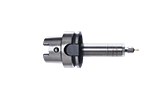
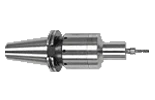
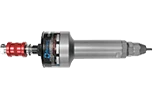
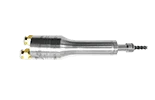
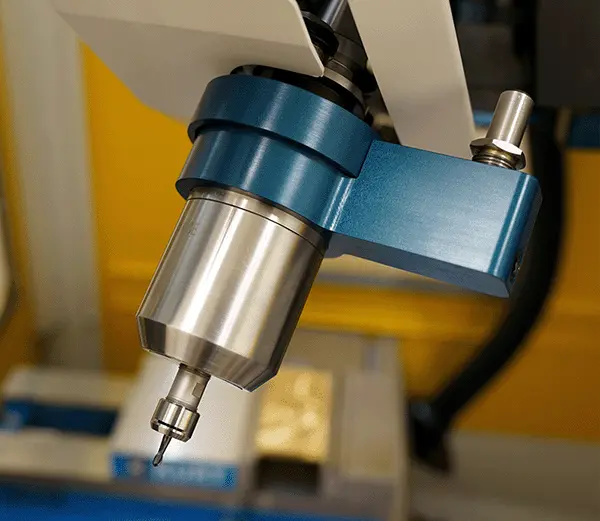
Depending on the material, hole size, and production setup, machinists may use tube cutters, punches, custom-ground tools, or high-speed drilling methods to shear the rubber before it can pull or tear. This is where Air Turbine Spindles® excel in CNC and automated rubber drilling applications. Their governed high-speed technology maintains RPM under load, so the drill continues cutting through the plunge and exit instead of slowing, rubbing, or generating excess heat.
This matters because even a brief drop in spindle speed can cause smearing, ragged breakout, hole variation, or secondary rework. For small holes, delicate profiles, and applications where edge quality is critical, a governed high-speed Air Turbine Spindle gives machinists a more stable cutting condition. In automated production lines, this can help manufacturers drill repeated holes in rubber seal profiles, bands, extrusions, or molded components while maintaining the speed and consistency needed for volume production.
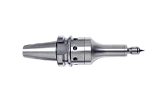
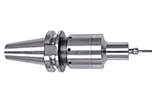
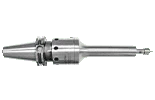
Air Turbine Spindle® 625BT30 milling rubber @ 50,000 RPM on Haas DT-1
►
Shorter cycle timesHigh RPM enables 6–10x faster production.
►
Improved edge qualityThe drill cuts instead of rubbing, reducing smeared, melted, or ragged hole edges.
►
More consistent holesStable spindle speed helps control hole diameter, entry quality, and exit breakout.
►
Reduced scrap and reworkBetter hole quality means fewer rejected parts and less manual correction.
►
Better sealing performanceSmooth, repeatable holes help protect the integrity of gaskets, seals, and rubber profiles.
►
24/7 reliabilityNo gears or vanes means no thermal effects and therefore no duty cycle.
►
Production-line scalabilityStable cutting performance supports repeated drilling in automated or around-the-clock manufacturing lines.
When to Rethink Your Rubber Drilling Process
It may be time to review your rubber drilling setup if your shop or production line is dealing with any of these symptoms:
►
Holes show melted, smeared, or glossy edges.
►
Exit holes have fuzzy breakout or tearing.
►
Hole diameter changes from part to part.
►
Drills wander before entering the material.
►
Parts need long cooling delays before drilling.
►
Motors or drilling units overheat, stall, or require frequent maintenance.
►
Operators spend time trimming or reworking drilled holes.
►
Rubber drilling limits the output of the line.
For machinists working with rubber gaskets, seals, bands, and extrusions, the fix is often not simply a different drill. The motor matters. High-speed Air Turbine Tools® help keep the cutting edge at the right speed, reduce heat, and create a cleaner, more predictable drilling operation.
Frequently Asked Questions About Drilling Rubber
What is the best way to drill rubber cleanly?
Use a sharp tool, adequately support the rubber so it cannot deflect excessively, and use the correct feed and cutting speed. Governed Air Turbine Motors® help maintain cutting speed by holding their rated RPM in the cut.
Why does rubber melt or smear when drilled?
Rubber smears or melts when the drill rubs instead of cutting. This usually happens when motor speed drops, feed is inconsistent, the drill is dull, or heat cannot leave the cutting zone quickly enough.
Can rubber be drilled on a CNC machine?
Yes. Rubber can be drilled on CNC equipment when the setup controls deflection, tool wandering, heat, and breakout. High-speed Air Turbine Motors® can be integrated into production equipment to improve hole quality and throughput.
Why use an Air Turbine Motor® for rubber drilling?
An Air Turbine Motor® is useful because it can maintain high RPM under load with low vibration. That helps produce cleaner holes, reduce heat, improve consistency, and lower scrap in high-volume rubber drilling applications.
How are Air Turbine Motors® used to drill rubber in automation and robotics?
In automated rubber drilling, Air Turbine Motors® can be mounted in a fixture, machine, or multi-motor automation cell to drill clean, consistent holes in rubber profiles, gaskets, seals, bands, and extrusions. Because the motors are air driven and governed to hold high RPM in the cut, they are well suited to repeatable production lines where the drill must enter and exit rubber quickly without melting, tearing, or creating inconsistent hole sizes. For high-volume seal production, multiple Air Turbine Motors® can also be arranged in a row so several holes are drilled in sequence or at the same time, helping increase throughput while reducing scrap and rework.
Need to drill rubber gaskets, seals,
bands, or extrusions faster and cleaner?
Our technical advisors offer no obligation consultations to review your application
and recommend the best solution for your process.

Service & Support
Support is always available from our technical team in the USA and Germany. Repair Service is available in Florida and Munich. Call our factory technicians at +1-561-994-0500 or email us at [email protected].